
There is a special kind of disappointment in lifting a cake from the oven and watching the middle slump. If you have ever wondered why cakes sink, the answer is nearly always one of a handful of causes, and each of them can be fixed once you know what to look for.
This guide walks through the usual suspects, then covers a factor that matters a great deal in Nairobi: altitude. It finishes with ideas for rescuing a cake that has already collapsed.
Why cakes sink: the short explanation
A cake rises because steam, trapped air and gas from the raising agent push the batter upward. It keeps that height only once the eggs and starch in the batter have set firmly enough to hold themselves up. When the centre drops, either the rise outran the setting, or the structure was too weak to carry the weight. Every cause below is a variation on that one idea.
Seven common reasons why cakes sink
Work through these in order, starting with the one that costs nothing to fix: how you treat the oven.
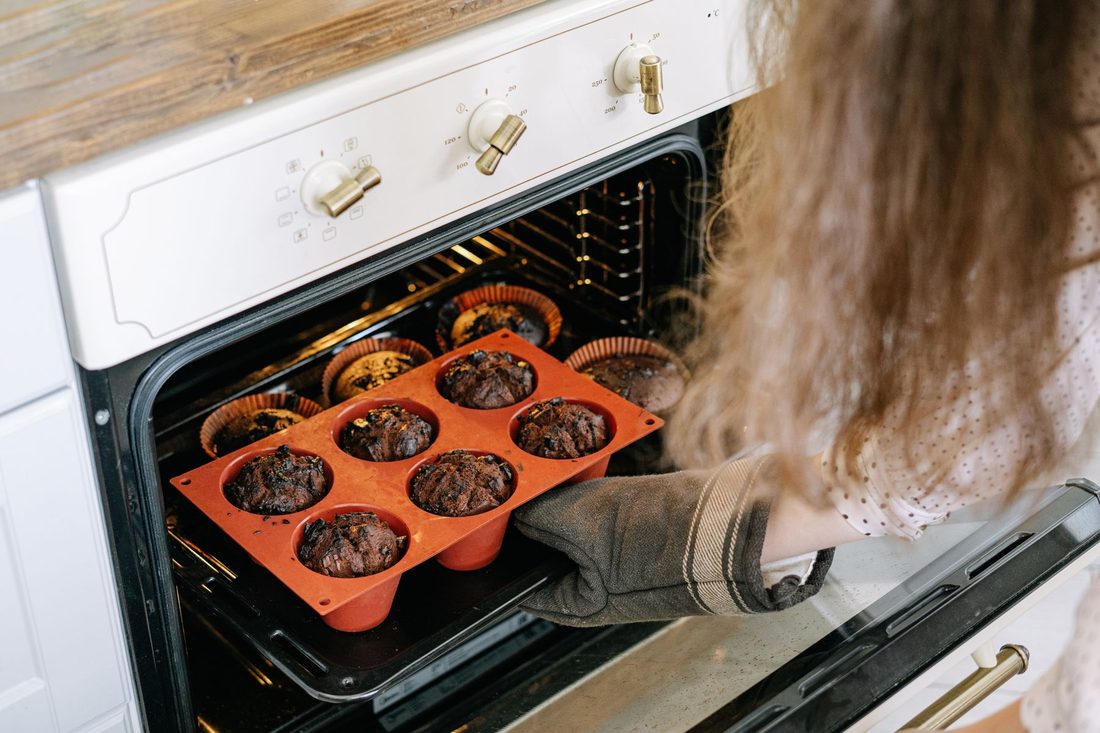
- The oven door was opened too early. Opening the door lets in cool air, and a sudden change in heat can stop a half-risen cake from setting. As a general rule, leave the door shut for the first two thirds of the baking time and look through the glass instead. When you must open it, be quick and close it gently.
- The cake is not fully baked. A cake that looks golden can still be liquid at the heart, and timers are only a guide because every oven runs differently. Slide a skewer into the middle: it should come out clean or with a few dry crumbs. The top should spring back when pressed lightly, and the edges should begin to pull away from the tin.
- There was too much raising agent. More baking powder or bicarbonate of soda does not mean more height. Too much makes big bubbles that swell, merge and burst, so the cake puffs up and then falls. Use level spoons rather than heaped ones, and do not add baking powder to self-raising flour unless the recipe says so.
- The oven temperature is off. A very hot oven sets the outside before the middle is ready, so the centre rises, cracks and drops. An oven that runs cool lets the cake rise slowly and never quite firm up. Oven dials are often inaccurate, and a cheap oven thermometer is one of the best-value baking tools you can buy.
- The batter has too much air, liquid or sugar. Beating a batter far longer than the recipe says can whip in more air than the cake can hold, and extra liquid, sugar or fat can weaken the structure. Weigh your ingredients on scales where you can, because a small difference in flour or liquid has a big effect.
- The tin is the wrong size or too full. Batter that is too deep takes so long to cook through that the edges set while the middle is still wet. Fill the tin about halfway, never more than two thirds, and use the size the recipe names. Any extra batter can be baked as cupcakes.
- The cake was jolted or chilled suddenly. Banging the tin on the worktop, or carrying it around while it is still setting, can knock the air out. Once it is baked, leave it in the tin for about ten minutes before turning it out, and keep it away from cold draughts while it cools.
Why cakes sink more easily in Nairobi
Nairobi sits about 1,795 metres (5,889 feet) above sea level, and that changes how a batter behaves. The air pressure is lower here, so the bubbles in a batter swell faster and further. That makes it easier for a cake to overshoot its height and then fall, which is one more reason why cakes sink in recipes written for sea level.
Baking guides for high places tend to suggest the same starting points: a little less raising agent, slightly less sugar, a little more liquid, and an oven roughly 8 to 14°C hotter (less for chocolate and other delicate cakes) so the structure sets before the cake over-expands. The high-altitude baking chart from King Arthur Baking is a handy reference for exact amounts. Adjust a single variable per bake, and you will be able to tell which change made the difference.
A quick checklist before your next bake
Most of the reasons why cakes sink can be prevented before the cake even goes in.
- Check your oven with a thermometer, and preheat fully.
- Weigh ingredients, and use level spoons for baking powder.
- Fill the tin halfway, and no more than two thirds.
- Resist opening the door until the cake has had most of its time.
- Test the centre with a skewer before you take the cake out.
How to rescue a cake that has already sunk
Even when you know why cakes sink, an unlucky bake still happens. Do not throw it away; there are several good ways to save it.
- Fill the dip. Level the hollow with frosting, whipped cream or fruit, and nobody needs to know.
- Trim and flip. For a layered cake, slice off the sunken or domed part and stack the layers so the flat bottoms face upward.
- Turn it into a trifle. Cube the cake, layer it with custard or cream and fruit, and serve it in glasses.
- Make cake pops. Crumble the cake, mix in a little frosting, roll into balls and chill them.
If you would rather leave the baking to someone else, our cake menu has plenty to choose from, from a Classic Vanilla Cake to a Chocolate Fudge Cake. Planning a party? Our guide to how much cake you need will help you pick a size, and you can follow our latest bakes on Instagram.
